







The Moon
Listen to The Moon, or download the complete EP below.
loading
Still loading. Your connection seems slow.
The room couldn’t load.
Your browser can’t show the paintings of Scarcity Remains. The music, poems and lyrics are all here:
The text and audio versionSCARCITY REMAINS
An open-source art exhibition by Hello Doggo
AI is flooding the world with images, words and songs, far more than anyone could absorb. What remains scarce is judgment: deciding what matters, what is worth keeping. AI creates abundance, not taste.
This exhibition is what I kept. Each piece started with an idea and a machine’s attempt at it. When an attempt resonated, I reworked it in rounds. This process let me try combinations that shouldn’t work, and the unlikeliest produced some of the best results. Over a million attempts have been discarded.
Much of the work starts from classic poetry. A great poem is language at its most concentrated and powerful. People used to know this. They memorized poems, sang them and read them in the newspaper. Today the last poem most people read was homework. How many poems do you know by heart? Here, poems by Frost, Poe, Shakespeare, Dickinson and others return as songs, animations and games.
Beyond the poetry are songs of my own. One is a pop song about Aristotle’s 2,300-year-old view that a good life is a matter of balance. Others are candy pop, kept because they are catchy, ridiculous and fun. Two celebrate the physicists Michael Faraday and James Clerk Maxwell. Their work lights our cities and connects the world, yet absurdly few people know their names. Faraday gets an EDM anthem, Maxwell a candy-pop love song, the kind of tribute usually saved for celebrities.
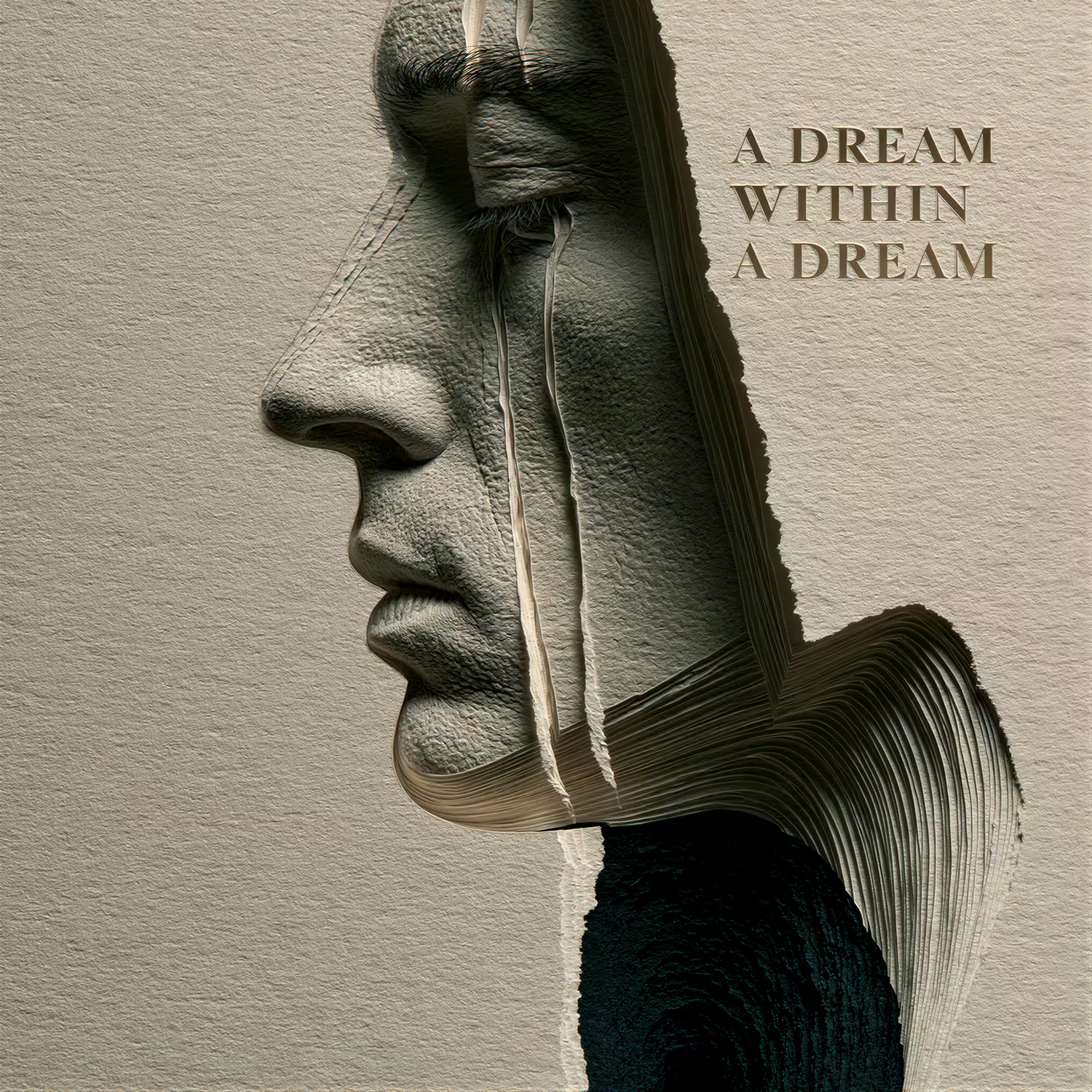
Among the visual works, an artwork remixes Lewis Carroll’s Alice with multiverse physics and Poe’s “A Dream Within a Dream,” an 1849 poem that anticipated simulation theory. A bronze bust tells true tales about the great poets. For slowing down, there are guided meditations, downtempo instrumentals and nighttime cityscapes composed of light.
Keeping the Dickinson and keeping the candy pop were both acts of taste. You won’t agree with every choice. As you look around, ask what you would keep. I asked that question more than a million times over the past three years.
Art exhibitions don’t let you take the art home. This one does. Everything is free to use for any purpose, even commercially. No permission or credit required. New songs, poems, artworks and games arrive regularly.
Music, poetry, art. And dogs.
Take the songs. Make something.
Hello Doggo music is released under CC0 1.0 — no rights reserved. I have waived my copyright and related rights in these songs, their original lyrics, the recordings, the arrangements, the artwork and the writing.
You do not need permission. You do not need to credit anyone. You do not owe a fee, a royalty, or a share. Cover them, remix them, sell them, score your film. Whatever you make is yours.
If you want to say where it came from, that’s appreciated but not required. And if you make something, I’d like to hear it — leave a letter in the on the table or find me on X @HelloDoggoMusic.
63 TALES · 20 POETS
An open-source art exhibition by Hello Doggo
AI is flooding the world with images, words and songs, far more than anyone could absorb. What remains scarce is judgment: deciding what matters, what is worth keeping. AI creates abundance, not taste.
This exhibition is what I kept. Each piece started with an idea and a machine’s attempt at it. When an attempt resonated, I reworked it in rounds. This process let me try combinations that shouldn’t work, and the unlikeliest produced some of the best results. Over a million attempts have been discarded.
Much of the work starts from classic poetry. A great poem is language at its most concentrated and powerful. People used to know this. They memorized poems, sang them and read them in the newspaper. Today the last poem most people read was homework. How many poems do you know by heart? Here, poems by Frost, Poe, Shakespeare, Dickinson and others return as songs, animations and games.
Beyond the poetry are songs of my own. One is a pop song about Aristotle’s 2,300-year-old view that a good life is a matter of balance. Others are candy pop, kept because they are catchy, ridiculous and fun. Two celebrate the physicists Michael Faraday and James Clerk Maxwell. Their work lights our cities and connects the world, yet absurdly few people know their names. Faraday gets an EDM anthem, Maxwell a candy-pop love song, the kind of tribute usually saved for celebrities.
Among the visual works, an artwork remixes Lewis Carroll’s Alice with multiverse physics and Poe’s “A Dream Within a Dream,” an 1849 poem that anticipated simulation theory. A bronze bust tells true tales about the great poets. For slowing down, there are guided meditations, downtempo instrumentals and nighttime cityscapes composed of light.
Keeping the Dickinson and keeping the candy pop were both acts of taste. You won’t agree with every choice. As you look around, ask what you would keep. I asked that question more than a million times over the past three years.
Art exhibitions don’t let you take the art home. This one does. Everything is free to use for any purpose, even commercially. No permission or credit required. New songs, poems, artworks and games arrive regularly.
These are poems I turned into songs, arranged in five movements. Each one plays as a short animation of the poem read aloud, then the song it became.
They follow a life: waking up to things, falling in love, seeing the world as it is, learning what it costs, and letting go.
Stop whenever you like; your place is saved for when you come back.
Keep the exhibition on your computer, like an app. It opens without tabs or an address bar.
181 songs
Add tracks from the CATALOG.
Meditation complete
Guest Book
Tell me about your dog. Or about something that happened that should be a song.
I read everything. If it's hate mail, please make it entertaining.
This comes to me, not the internet.
Listen to The Moon, or download the complete EP below.
Scarcity Remains is made for upright screens. Turn yours back to step inside.