
Cursed Be He That Moves My Bones
A Poetry Tale about William Shakespeare, told by Hello Doggo.
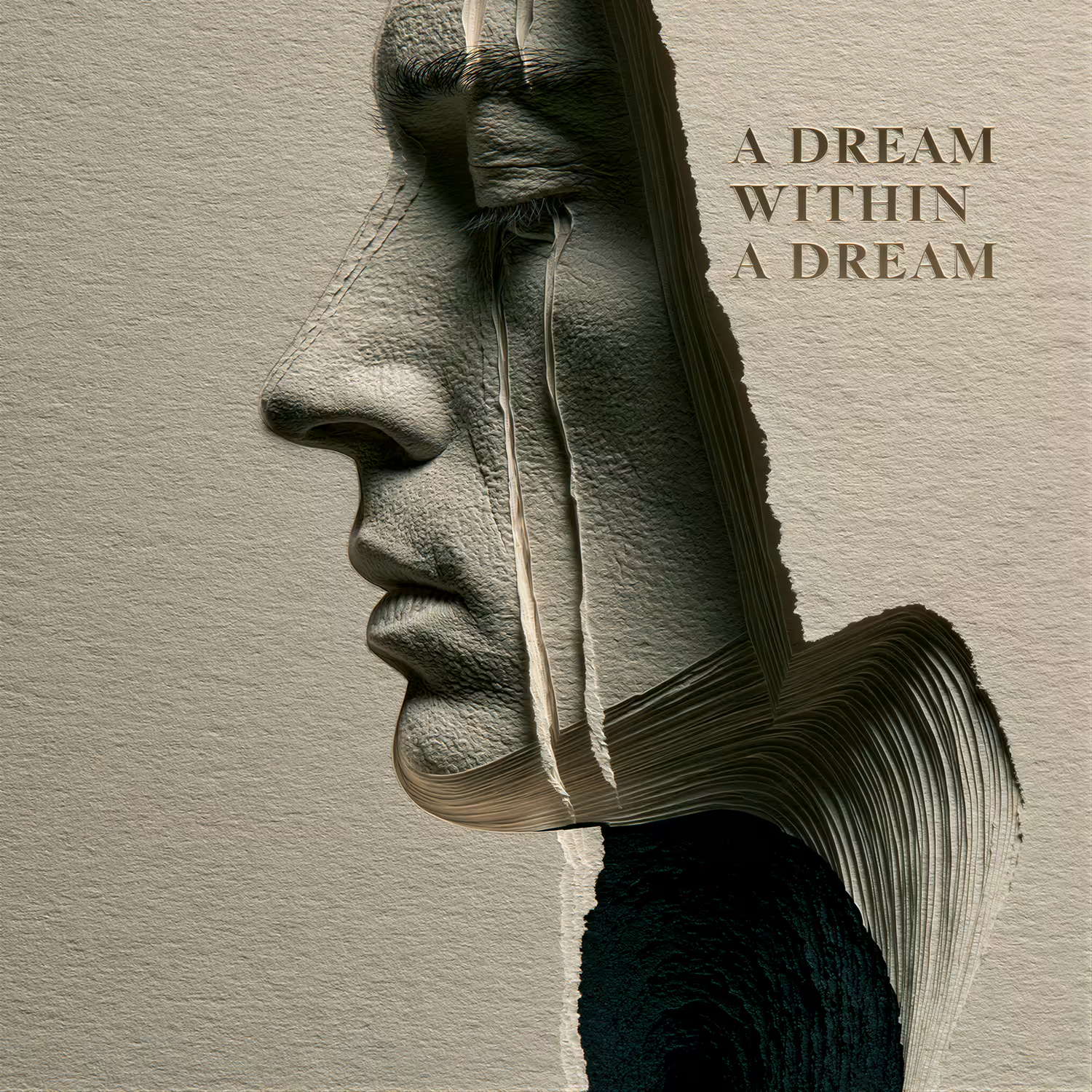
In Holy Trinity Church, Stratford-upon-Avon, there’s a stone in the floor with a warning carved into it.
Good friend, for Jesus’ sake forbear, to dig the dust enclosed here. Blessed be the man that spares these stones, and cursed be he that moves my bones.
That’s Shakespeare’s grave. And as far as anyone knows, it has never officially been opened.
Unofficially? In eighteen seventy-nine, a magazine called the Argosy published a story, signed only by “a Warwickshire man”. It claimed that in seventeen ninety-four a doctor called Frank Chambers heard that the collector Horace Walpole would pay three hundred guineas for Shakespeare’s skull. So he hired some local men to dig into the grave and carry the head away.
A ripping yarn, mostly filed under fiction. Nobody has ever proved it happened.
Then, in two thousand and sixteen, the archaeologist Kevin Colls announced what ground-penetrating radar had seen beneath the floor. No digging required. The scan showed shallow burials. And at the head end of Shakespeare’s grave, an odd disturbance — what looked like an old repair. He found it, he said, very, very convincing that the skull isn’t at Holy Trinity at all. The vicar wasn’t persuaded.
A later chapter of the legend claimed the stolen skull was hidden in a crypt at Beoley, a village nearby. It was examined. It belonged to a woman in her seventies.
So the head may be missing, and the curse may have failed. But the sonnets are all present and correct. So long lives this, and this gives life to thee.
Sources
- The epitaph on Shakespeare’s gravestone, chancel of Holy Trinity Church, Stratford-upon-Avon.
- “How Shakespeare’s Skull Was Stolen” by “A Warwickshire Man”, The Argosy, October 1879. The author was later identified as the Rev. C. J. Langston, vicar of Beoley, who published a sequel claiming the skull lay in the Sheldon crypt at St Leonard’s, Beoley.
- Secret History: Shakespeare’s Tomb (Channel 4, broadcast 26 March 2016), presenting the ground-penetrating radar survey led by Kevin Colls of the Centre of Archaeology, Staffordshire University, and the forensic analysis of the Beoley skull. Press coverage: Smithsonian, Christian Science Monitor, Newsweek, March 2016.
- Sonnet 18.
Notes
- The Argosy story has never been corroborated and is generally treated as fiction. The 2016 survey found a disturbance at the head end of the grave consistent with an old repair; it did not, and could not, prove what was or was not beneath. The vicar of Holy Trinity publicly disagreed with the conclusion. The Beoley skull was assessed as that of a woman in her seventies.