
The Cross of Snow
A Poetry Tale about Henry Wadsworth Longfellow, told by Hello Doggo.
Cambridge, Massachusetts. A hot July day in eighteen sixty-one. Fanny Longfellow is at home, putting locks of her little daughters’ hair into envelopes, as keepsakes. To seal them, she melts wax.
Her light summer dress catches fire.
She runs to her husband, burning. Henry tries to smother the flames, with a rug, with his arms. His face and hands are badly burned. Fanny dies the next morning. She is buried on their wedding anniversary, and he’s too injured to go.
That’s the traditional version. Long afterwards their youngest, Annie, who was five that summer, admitted privately that she might have been to blame: that she’d been playing with matches. Nobody can say for certain which is true.
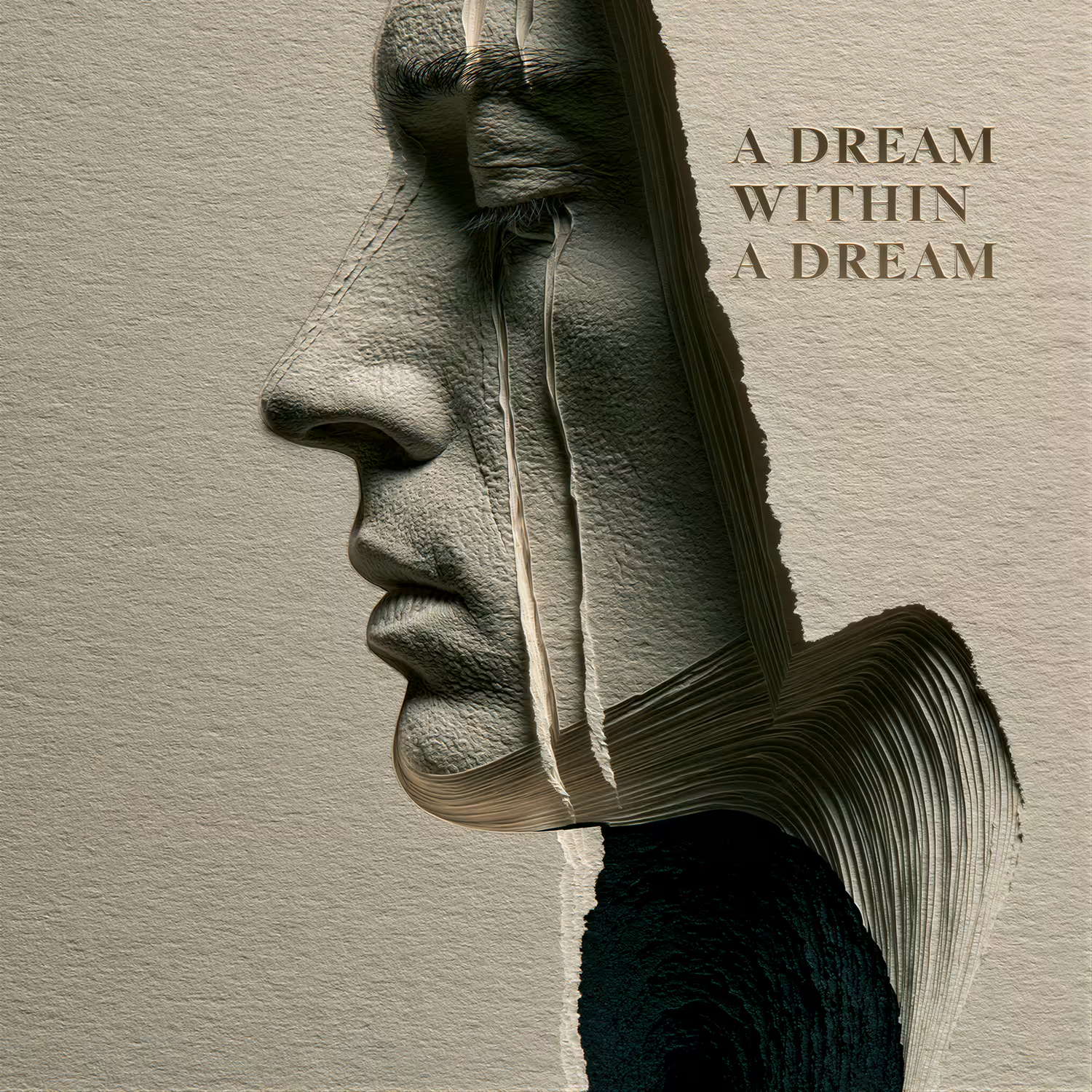
The fire marked him, too. The story is that his scars made shaving impossible, so he let his beard grow: the long white beard of every portrait. There’s no record he ever said so. But in photographs from before that summer, he’s clean-shaven.
Eighteen years later, on the anniversary of her death, he wrote a sonnet about a mountain in Colorado he knew from a picture in a book. A peak where ravines shelter a cross of snow from the sun. Such is the cross I wear upon my breast, he wrote, these eighteen years, through all the changing scenes and seasons, changeless since the day she died.
He never published it. It was found among his papers after he died.
The beard covered the scars you could see. The sonnet, he kept for the other kind.
Sources
- The fire of 9 July 1861 and Fanny Longfellow’s death the next day: Longfellow’s letters and journal, and contemporary Cambridge press reports, as given in Samuel Longfellow, Life of Henry Wadsworth Longfellow (1886).
- “The Cross of Snow”, dated 10 July 1879, first printed in Samuel Longfellow’s Life (1886) from the manuscript found among the poet’s papers.
- Annie Allegra Longfellow Thorp’s private account of playing with matches: recorded in the archives of the Longfellow House–Washington’s Headquarters National Historic Site, Cambridge, and discussed in Calhoun, Longfellow: A Rediscovered Life (2004).
- The beard and the scars: Calhoun (2004); pre-1861 photographs in the Longfellow House collection.
- The Mount of the Holy Cross, Colorado, became famous through William Henry Jackson’s photograph (1873) and Thomas Moran’s painting (1875); Longfellow knew it from a reproduction.
Notes
- Longfellow never spoke publicly about the cause of the fire or the beard. Both the sealing-wax version and Annie’s version are family testimony.