
The Poem in Someone Else’s Album
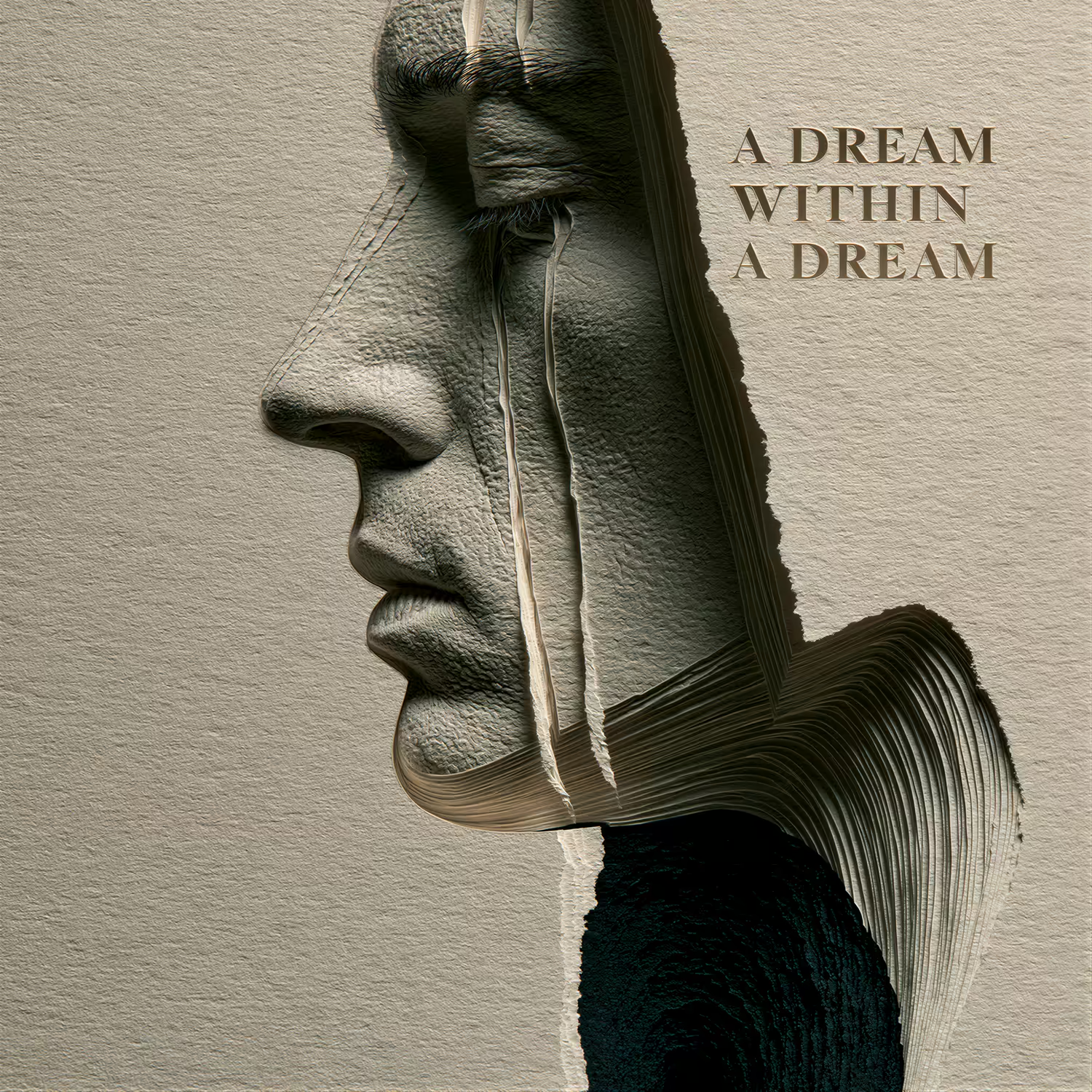
A Poetry Tale about Edgar Allan Poe, told by Hello Doggo.
Some time around eighteen twenty-nine, in Baltimore, a young man was handed a young woman’s autograph album. The custom was to write something sweet. A compliment. A neat little verse about friendship.
Edgar Allan Poe wrote this: “From childhood’s hour I have not been as others were. I have not seen as others saw.”
Twenty-two lines about being different, ending with a cloud that took the form of a demon.
The album belonged to Lucy Holmes. Poe never published the poem. It sat in her album for nearly half a century, until eighteen seventy-five, when a Baltimore writer called Eugene Didier printed it in Scribner’s Monthly, with a facsimile of Poe’s handwriting.
Except the facsimile had been touched up. Didier had added a title, Alone, and a date line: Baltimore, March the seventeenth, eighteen twenty-nine. Neither was Poe’s.
The leading English authority on Poe, John Ingram, denounced the poem as a forgery. The great Poe editor Thomas Mabbott later put that down to Ingram not knowing Poe’s early handwriting very well.
The doubts have long since been dismissed. The handwriting is Poe’s. So are the words.
The title, though, is Didier’s. Poe’s great poem about standing alone — and as far as anyone knows, he never once called it Alone.
Sources
- Eugene L. Didier, “Alone”, Scribner’s Monthly, September 1875, with the retouched facsimile carrying the added title and date line.
- The album of Lucy Holmes (later Lucy Holmes Balderston), Baltimore.
- John H. Ingram’s forgery charge and Mabbott’s response: Mabbott, Collected Works, vol. 1 (1969), headnote to “Alone”.
Notes
- The poem is now universally accepted as Poe’s. The title and the “March 17, 1829” date line are Didier’s additions, which is why the date of composition is given only as “about 1829”.