
The Woman Next Door
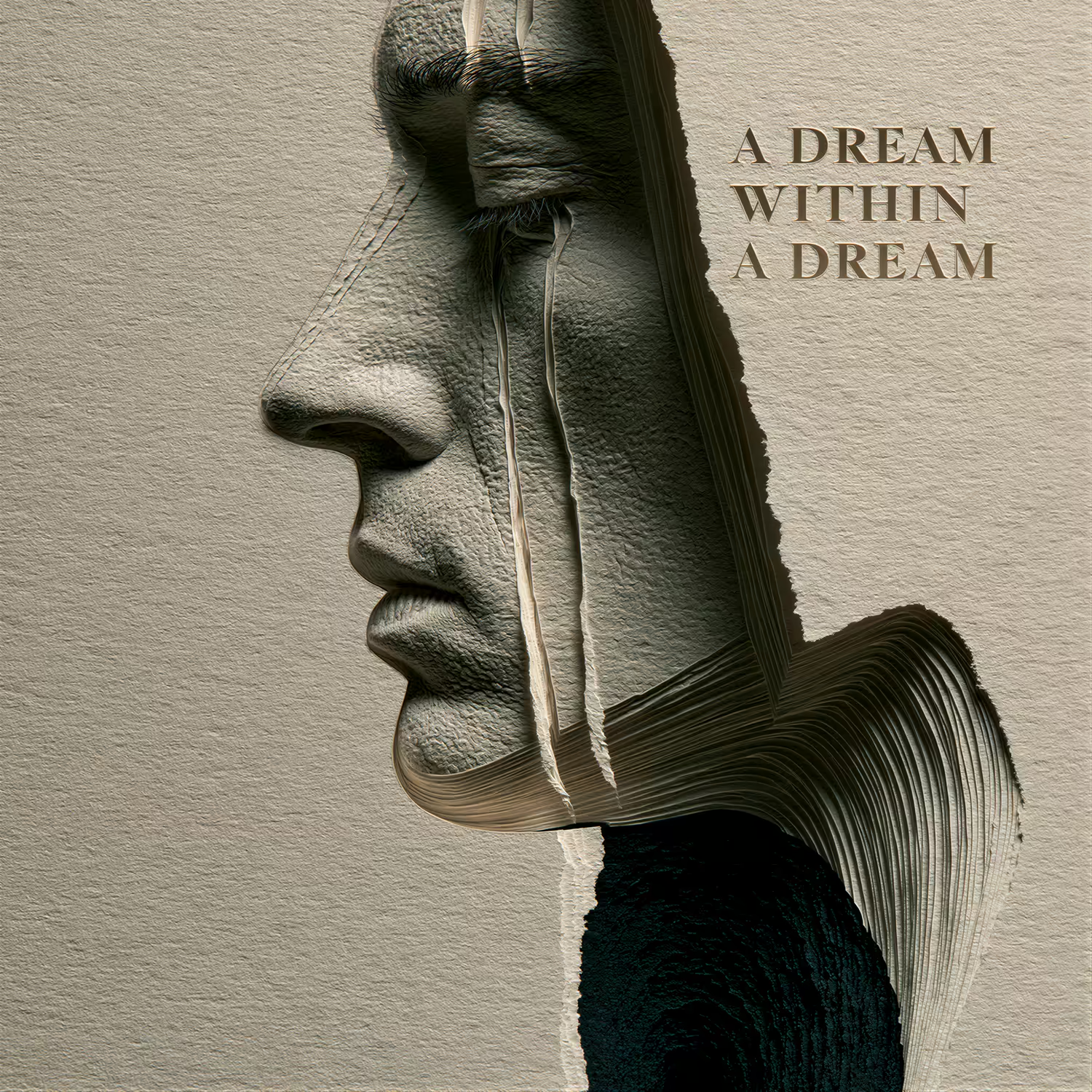
A Poetry Tale about Emily Dickinson, told by Hello Doggo.
The great love of a poet’s life is supposed to be out of reach. Across an ocean. Lost in a war. Tragically dead.
Emily Dickinson’s lived next door.
Susan Gilbert married Emily’s brother Austin in eighteen fifty-six and moved into the house across the lawn. Emily sent her more than two hundred and fifty poems. Sue was her first reader, her sharpest critic, and quite possibly the love of her life.
Here’s Emily, writing to her in eighteen fifty-two: “Susie, will you indeed come home next Saturday, and be my own again, and kiss me as you used to?”
Now, what really went on between them, nobody can prove. Letters are evidence of feeling, not a camera in the room. But here’s the twist.
Later, Sue’s daughter, Martha Dickinson Bianchi, published Emily’s letters. And, as Lillian Faderman pointed out, she tidied that one up. Her version just asks whether Susie will come home next Saturday.
The kiss quietly vanished.
She wasn’t the only one with scissors. An early poem in praise of Sue, One Sister have I in our house, was cut up and inked out in Emily’s own handmade books. Nobody was caught in the act; the editor Ralph Franklin suspected Austin or Lavinia.
And yet the poems kept crossing the garden. One that Emily sent to Sue reached print in nineteen fourteen.
For a love the family kept trying to edit into the shadows, she’d already written the line: I see thee better in the dark.
Sources
- Dickinson to Susan Gilbert, 11 June 1852 (L96): “will you indeed come home next Saturday, and be my own again, and kiss me as you used to?”
- Martha Dickinson Bianchi, The Life and Letters of Emily Dickinson (1924), where the letter appears without the kiss.
- Lillian Faderman, “Emily Dickinson’s Letters to Sue Gilbert”, Massachusetts Review 18 (1977), and Surpassing the Love of Men (1981).
- The mutilation of “One Sister have I in our house” (Fr5): R. W. Franklin, The Manuscript Books of Emily Dickinson (1981), and Franklin’s notes in The Poems of Emily Dickinson (1998).
- The count of poems sent to Sue, and the full correspondence: Ellen Louise Hart and Martha Nell Smith, Open Me Carefully: Emily Dickinson’s Intimate Letters to Susan Huntington Dickinson (1998).
- “I see thee better — in the Dark” (Fr442), first printed in The Single Hound (1914), edited by Bianchi from Sue’s copies.