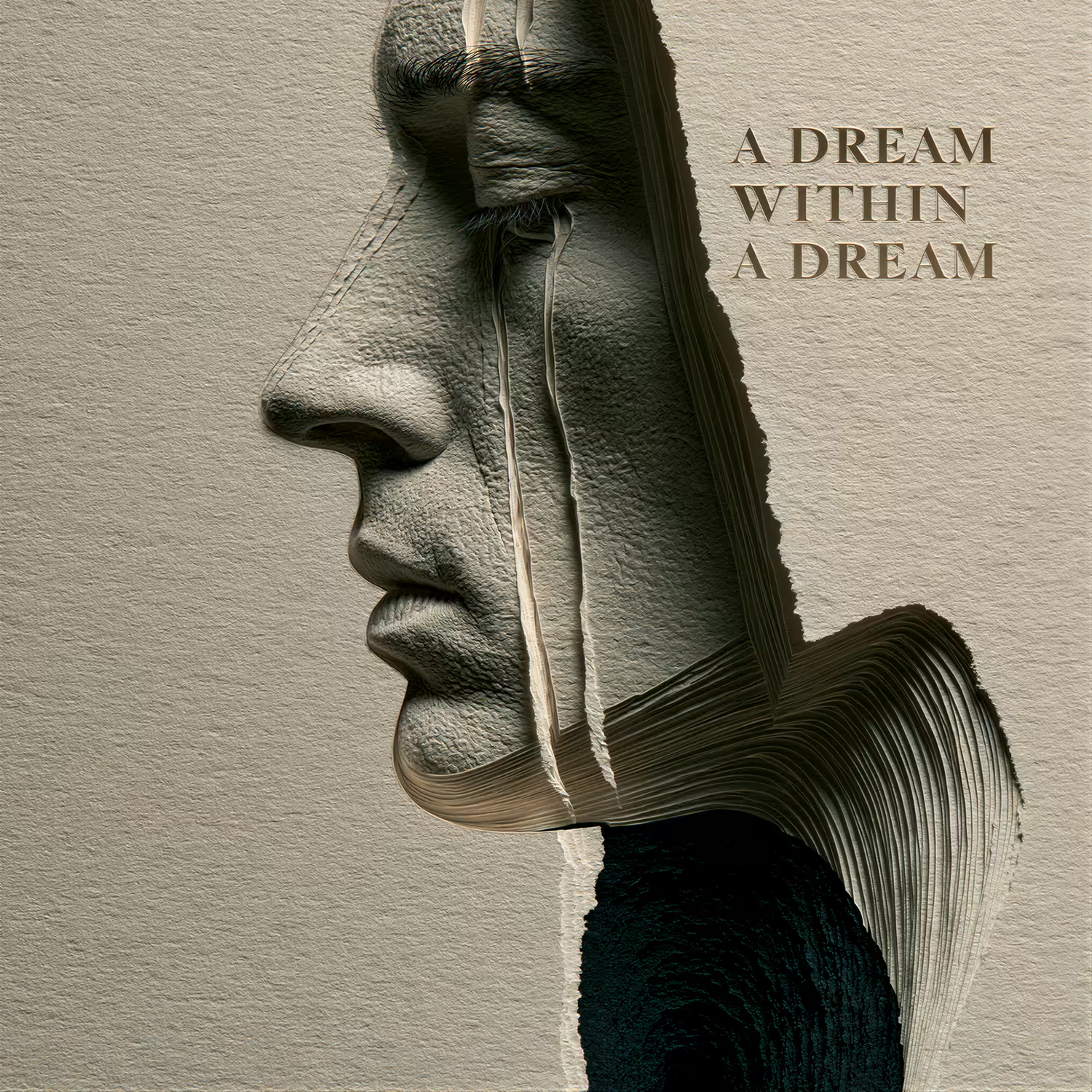


The Girl Who Wouldn’t Be Saved
A Poetry Tale about Emily Dickinson, told by Hello Doggo.
Picture a girls’ school where your soul gets marked.
Mount Holyoke Female Seminary, eighteen forty-seven. The pupils were sorted into three groups: those who’d professed their faith, those who had hope, and those without hope. Emily Dickinson, aged sixteen, went straight into the third.
Now here’s the famous story. One day the principal, Mary Lyon, asks everyone who wants to be a Christian to stand. The whole hall rises. One girl stays in her seat.
And afterwards Dickinson supposedly said: They thought it queer I didn’t rise. I thought a lie would be queerer.
Isn’t that perfect? Shame about the sourcing. It comes from Clara Newman Turner, a family connection who was about three at the time, recalling what Emily told her long afterwards. Delicious, and quite possibly polished in the retelling.
Also, she wasn’t alone. Of the eighty or so girls without hope at the start of that year, twenty-nine were still holding out at the end. Dickinson was one of them.
Her letters are less defiant and more anguished. To her friend Abiah Root: I have not yet given up to the claims of Christ. Later she wrote that she regretted not giving in when that golden opportunity was hers. She knew what answer they wanted. She just couldn’t fake it.
She left after a year.
Years later, she wrote: Much madness is divinest sense. And, a few lines on: Assent, and you are sane. Demur, you’re straightway dangerous.
She’d done her demurring at sixteen. Sitting down.
Sources
- Mount Holyoke Female Seminary records for 1847–48, including the sorting of students by religious standing; discussed in Richard B. Sewall, The Life of Emily Dickinson (1974), and Alfred Habegger, My Wars Are Laid Away in Books (2001), which gives the numbers of “no-hopers” at the start and end of the year.
- Clara Newman Turner, “My Personal Acquaintance with Emily Dickinson”, reminiscence printed as an appendix in Sewall (1974), the source of “They thought it queer I didn’t rise.”
- Dickinson’s letters to Abiah Root, 1848 and 1850 (Johnson, Letters): “I have not yet given up to the claims of Christ”, and the later regret at a lost “golden opportunity”.
- “Much Madness is divinest Sense” (Fr620).
Notes
- Mary Lyon held several such meetings during the year; Turner’s account compresses them into one scene.