
The Heart That Would Not Burn
A Poetry Tale about Percy Bysshe Shelley, told by Hello Doggo.
July, eighteen twenty-two. Percy Bysshe Shelley sails out of Livorno in his little boat. A storm comes up. He never comes home.
Ten days later, the sea gives him back, near Viareggio.
Italian quarantine rules meant the body couldn’t simply be carried off. So, in August, on the beach, his friends burned it.
The most vivid account comes from one of them, Edward Trelawny. He remembered a book of Keats in Shelley’s jacket pocket, folded back, as if he’d shoved it away mid-poem. He built the pyre and fed it wine and oil. Lord Byron couldn’t watch. He swam out to sea instead.
Byron asked to keep the skull. Trelawny refused. Byron, he remembered, had once used a skull as a drinking cup.
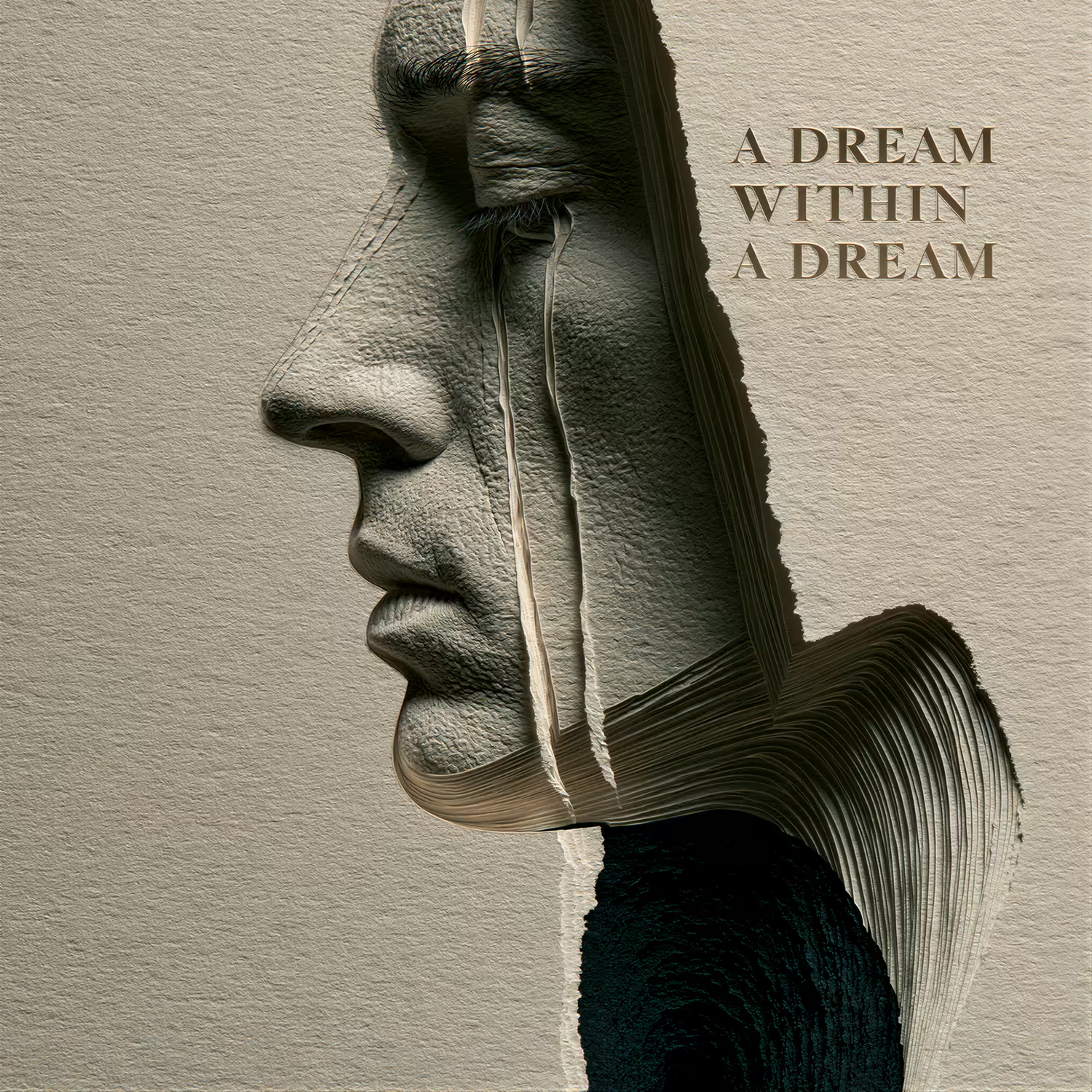
Then the strange part. The body burned for hours, but the heart, Trelawny wrote, would not burn. He snatched it out, and badly burnt his hand.
A squabble followed, and the heart went to Shelley’s widow, Mary. Yes — the woman who wrote Frankenstein kept her husband’s heart.
After she died, so the family story goes, her son opened her desk. Inside, wrapped in the pages of Adonais, Shelley’s elegy for Keats, was what was left of it.
Was it really a heart? Some say it was his liver. Others, a heart hardened by old illness. And Trelawny rarely told a story without improving it.
Shelley once wrote: Nothing in the world is single; all things by a law divine in one spirit meet and mingle. He was talking about kisses. Mary kept the heart.
Sources
- Edward John Trelawny, Recollections of the Last Days of Shelley and Byron (1858), revised and expanded as Records of Shelley, Byron, and the Author (1878): the cremation at Viareggio, the Keats volume in the pocket, Byron swimming out, the skull-cup, and the heart that “would not burn”.
- Leigh Hunt, Autobiography (1850), for Hunt’s part in the dispute over the heart.
- The discovery of the heart in Mary Shelley’s desk, wrapped in a copy of Adonais, after her death in 1851: family tradition recorded in Holmes, Shelley: The Pursuit (1974), and Miranda Seymour, Mary Shelley (2000).
- The liver and calcified-heart theories: discussed in Holmes.
- “Love’s Philosophy” (1819), for “Nothing in the world is single”.
Notes
- Trelawny’s two versions differ in detail, and he is known to have improved his stories. The heart (or whatever it was) is believed to have been buried with Sir Percy Florence Shelley at Bournemouth in 1889.